01 / 5
GALE maps judgment, not just information.
Prototype only — Loading…
A Lived Capital Research Initiative
Project GALE is a research initiative exploring whether structured, validated lived experience can help people make better decisions during life's major transitions.
§ The Big Idea
By identifying patterns across thousands of lived experiences, Project GALE aims to transform personal lessons into shared human knowledge that can inform future decisions.
§ What Project GALE Is Building
An organized, searchable record of hard-earned human judgment across the transitions and challenges of life.
Layer 01 of 6
Situation
The moment or condition a person is facing.
§ How GALE Works
01
Collect judgments through interviews, reflection, conversation, and contribution.
02
Identify useful judgments already embedded in stories, research, media, and community knowledge.
03
Evaluate context, reflection, consequences, credibility, and corroboration.
04
Apply contributor rights, human review, ethical safeguards, and responsible-use standards.
05
Connect judgments to situations, decisions, outcomes, and patterns.
§ Show the Judgment Graph
Tap a stage to see what it captures.
§ What Makes GALE Different
§ Where GALE Can Help
Recovery
Mental health
Family transitions
Work and purpose
Caregiving
Grief and loss
Reentry
Complex illness
§ Research Pillars
01
How do we ask questions that reveal useful judgment?
02
How do we identify judgment inside existing experiences and knowledge?
03
When should lived experience be trusted enough to inform others?
04
How should judgment intelligence be ethically collected, reviewed, shared, and used?
§ Human and Responsible by Design
Does not declare one experience universally true.
Does not replace professional or clinical judgment.
Preserves context and uncertainty.
Requires human review for sensitive uses.
Gives contributors meaningful rights over their experience.
§ Frequently Asked Questions
Project GALE (Global Atlas of Lived Experience) is a research initiative by Lived Capital. It explores whether structured, validated lived experience can be turned into a shared resource — a Judgment Graph — that helps people make better decisions during major life transitions.
GALE collects experiences, identifies the judgment embedded inside them, validates that judgment against context and evidence, and maps it into an organized knowledge structure. The result is a searchable atlas of human decision-making across domains like recovery, caregiving, career transitions, grief, and chronic illness.
Inputs include guided interviews, written reflections, structured responses, existing research, and community-contributed knowledge. Each input focuses on what someone faced, what they did, what happened, and what they would do differently.
Your inputs are analyzed to extract reusable patterns of judgment. They may inform the atlas, train validation systems, support research publications, and improve the questions GALE asks. You keep meaningful rights over how your experience is shared, and sensitive uses always require human review.
No. GALE is not a diagnostic, clinical, or decision-making tool. It is a research resource that surfaces patterns, context, and questions to help people think more clearly. It does not replace professional judgment, medical advice, or trusted personal counsel.
Researchers, lived-experience organizations, universities, and individuals who have navigated significant life transitions are all welcome. Partners and contributors can join the research conversation, contribute anonymized experiences, or help validate emerging patterns.
Surveys collect opinions. Databases store facts. GALE maps judgment: the insight that emerges when a specific situation, decision, action, outcome, and reflection are held together. Context is not stripped away — it is the point.
§ Team
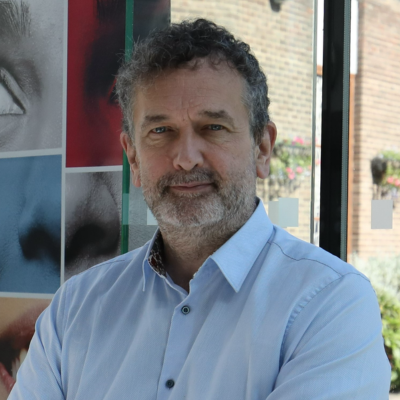
Recovery Science & Research
One of the world's leading researchers on recovery capital and lived-experience methodology.
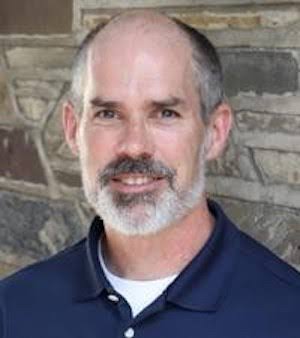
AI & Systems Architecture
Leads the technical architecture behind Project GALE — turning human judgment into durable infrastructure.
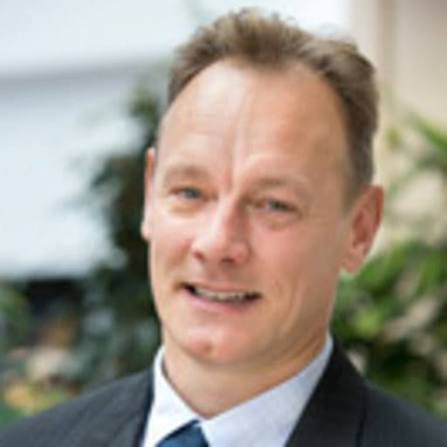
Strategy & Partnerships
Guides GALE's relationships across healthcare, education, and civic institutions.

Founding CEO
Founder of Lived Capital and originator of Project GALE's long-term vision.
§ Build It With Us
Project GALE is seeking researchers, universities, lived-experience organizations, and responsible technology partners.